SAAC acts for companies in financial distress throughout KwaZulu-Natal. We are licensed by the Companies and Intellectual Property Commission and we take appointments across the province, from the port and industrial belt of Durban and Richards Bay through Pietermaritzburg and the Midlands to the sugar and timber districts of the north coast and Zululand.
No obligation. Speak to a licensed practitioner today.
A business rescue practitioner is licensed nationally, not provincially. One licence carries across every division of the High Court, so the practitioner you appoint does not have to be based in your town. What matters is whether they understand the business, the sector and the creditors you are dealing with.
KwaZulu-Natal's official unemployment rate was 32.5 per cent in the second quarter of 2026, up from 31.2 per cent in the first quarter, according to Statistics South Africa's Quarterly Labour Force Survey. That was one of the three largest quarterly increases in the country, even though the province added a small number of jobs in each of the first two quarters of the year. The national rate stood at 33.6 per cent. Confidence has followed the same path. The Durban Business Confidence Index, published by the Durban Chamber of Commerce and Industry with the University of KwaZulu-Natal, fell from 50.63 in the first quarter to 48.82 in the second, below the neutral mark of 50. Sentiment in the city's construction sector fell by 41 per cent year on year.
Municipal failure is a direct cost for businesses in this province. In July 2026 National Treasury withheld equitable share transfers from seven KwaZulu-Natal municipalities, among them Newcastle, AbaQulusi, uMzinyathi, Amajuba and uMkhanyakude, for persistent non-compliance with the Municipal Finance Management Act. Msunduzi, which serves Pietermaritzburg, owed Eskom about R1.2 billion and uMngeni-uThukela Water about R1.3 billion when it tabled its 2026/27 budget. In eThekwini the municipality recorded non-revenue water of 65 per cent for June 2026, with 12,000 reported leaks, and rationed water to areas supplied by the Southern Aqueduct in March. Storms in April 2026 added flooding, fallen trees and road damage across the metro.
The province's two anchor industries had a hard 2026. The Durban Gateway Terminal, run by ICTSI in partnership with Transnet since January, migrated to a new operating system in mid-August. Weekly throughput fell by 26 per cent. Average anchorage time rose from about 80 hours in July to 166 hours in early August, and a port call stretched from under five days in late June to more than 12 days by late August. Trucks spent over 50 per cent longer in the port per visit. In the cane belt, Tongaat Hulett's business rescue practitioners applied for provisional liquidation in February 2026 and withdrew the application on 17 June, after the IDC and the Vision consortium agreed terms. Its three KwaZulu-Natal mills produce about 27 per cent of the country's sugar.
Areas we act in: Durban, Pietermaritzburg, Richards Bay, Newcastle, Pinetown, Ballito, Empangeni, Ladysmith, Port Shepstone, Howick, and elsewhere in KwaZulu-Natal
Applications and court matters arising from a rescue in this province are dealt with in the KwaZulu-Natal Division of the High Court, which sits at Pietermaritzburg as its main seat and at Durban as a local seat.
You are not alone. Thousands of South African business owners face these pressures every year — and most can be resolved through business rescue if you act in time.
When cash flow dries up, creditors are at your door, or liquidation feels unavoidable, it is overwhelming. You have invested years — sometimes decades — building your company. The thought of losing it all is devastating.
But there is still a way forward — if you act now. Business rescue under Chapter 6 of the Companies Act provides a legally protected pathway to restructure, stabilise, and recover. SAAC has guided over 130 companies through this process.
The single most important thing you can do right now is speak to a licensed practitioner. It costs nothing to have that conversation, and it could save everything.
Talk to a Practitioner NowWe specialise in helping South African companies avoid liquidation and regain stability through proven, legally structured rescue strategies.
Immediate moratorium on creditor claims under Chapter 6 of the Companies Act — buying you the time and space to restructure.
Bespoke business rescue plans developed by experienced practitioners — realistic, legally compliant, and stakeholder-approved.
Expert negotiation with banks, SARS, suppliers, and landlords to restructure debt and preserve stakeholder value.
Operational restructuring, cash flow management, and post-rescue support to restore profitability and long-term stability.
From your first confidential call to full recovery, we guide you through every step of the business rescue process.
We start by understanding your unique situation — finances, creditors, operations, and options — in complete confidence.
We develop a legally compliant rescue plan designed to stabilise your business and protect employees, creditors, and shareholders.
We handle all creditor negotiations, court filings, and legal protections — so you can focus on running the business.
We guide you through execution, monitor progress, and provide ongoing support until your business is back on solid ground.
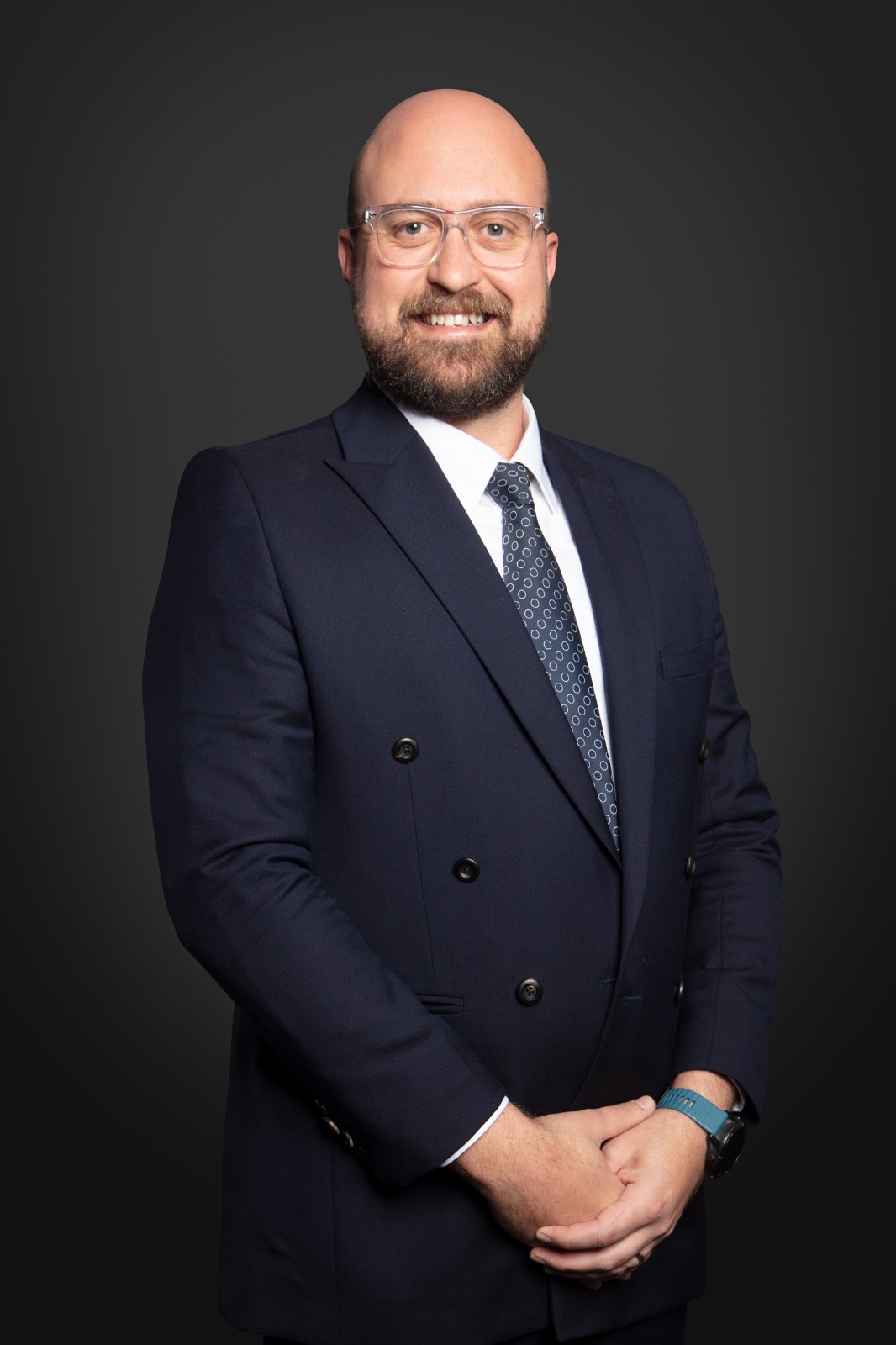
Having gone through the same experience of starting SAAC, I feel your pain. I can remember those days and nights when business demanded too much — up early trying to crack problems, often pondering if success would come tomorrow. It's understandable, but now you know you are not alone. This is where SAAC comes in: so that one does not ever arrive at such a point, overpowered or left in darkness when business challenges hit.
Big businesses or small, no matter the industry, we stand as a reliable ally. We do more than business rescue, restructuring, or distressed turnarounds — we provide something invaluable: hope and support when things are tough.
Every business is different, but some questions come up again and again. Here are quick answers to help guide your next step.
Every day you delay, your options narrow and risks grow. Business rescue is only available to companies that are financially distressed — not yet insolvent. The window to act is now.
Our practitioners are available for immediate consultation. Call, email, or visit one of our offices.
West Tower, 2nd Floor
Nelson Mandela Square
Maude Street, Sandton 2146
Ground Floor, The Vineyard Office Park
Building 2B, Devon Valley Road
Stellenbosch 7600