SAAC acts for companies in financial distress throughout Mpumalanga. We are licensed by the Companies and Intellectual Property Commission and we take appointments across the province, from the coal belt and the Sasol complex around Emalahleni, Middelburg and Secunda through to the timber towns of the escarpment and the citrus, macadamia and tourism economy of the Lowveld around Mbombela.
No obligation. Speak to a licensed practitioner today.
A business rescue practitioner is licensed nationally, not provincially. One licence carries across every division of the High Court, so the practitioner you appoint does not have to be based in your town. What matters is whether they understand the business, the sector and the creditors you are dealing with.
Statistics South Africa put Mpumalanga's official unemployment rate at 36.6 per cent in the second quarter of 2026, three percentage points above the national rate of 33.6 per cent. The broader measure, which counts people who have given up looking for work, stood at 48.3 per cent. The province added 41,000 jobs in the quarter, but that followed a loss of 54,000 in the first quarter, and the swing tells its own story. Work in Mpumalanga comes and goes with a handful of large employers. When a mine, a smelter or a power station cuts back, the contractors, transporters and shops around it feel it within weeks, often before the employer has finished its own consultation process.
The municipalities that serve business are failing at the basics. By July 2026 Emalahleni owed Eskom more than R12 billion, only about half of its customers paid their accounts, and the town lost close to half of its water and about a third of its electricity before it could bill for either. Govan Mbeki, which serves Secunda, Bethal and eMzinoni, owed Rand Water about R850 million, and parts of Bethal went without water for up to two months in early 2026. In April 2026 the province named Govan Mbeki, Lekwa, Emalahleni, Mbombela and Thaba Chweu for an Eskom distribution agency agreement to take over their electricity operations and revenue collection. A business in these towns pays for tankers, boreholes and generators on top of its rates.
Coal still carries the province, and coal is under pressure from every direction. Research cited in January 2026 expects five coal-fired power stations and 15 coal mines to close by 2030, and Seriti and Glencore have already retrenched at their Middelburg, Klipspruit and iMpunzi operations. Sasol bought 8.8 million tons of coal from outside suppliers in its 2026 financial year and plans to cut that to between 5 and 7 million tons in 2027 as its own mines ramp up. In August 2026 Transalloys stopped production at its eMalahleni smelter over electricity costs, putting about 600 permanent jobs at risk, and Ferroglobe warned that its eMalahleni smelter, with about 350 jobs, could follow. Samancor's Middelburg Ferrochrome escaped retrenchments only because Eskom agreed a special tariff in June.
Areas we act in: Mbombela, Emalahleni, Middelburg, Secunda, Ermelo, Standerton, Bethal, Mashishing, Barberton, White River and elsewhere in Mpumalanga
Applications and court matters arising from a rescue in this province are dealt with in the Mpumalanga Division of the High Court, which sits at Mbombela as its main seat and at Middelburg as a local seat.
You are not alone. Thousands of South African business owners face these pressures every year — and most can be resolved through business rescue if you act in time.
When cash flow dries up, creditors are at your door, or liquidation feels unavoidable, it is overwhelming. You have invested years — sometimes decades — building your company. The thought of losing it all is devastating.
But there is still a way forward — if you act now. Business rescue under Chapter 6 of the Companies Act provides a legally protected pathway to restructure, stabilise, and recover. SAAC has guided over 130 companies through this process.
The single most important thing you can do right now is speak to a licensed practitioner. It costs nothing to have that conversation, and it could save everything.
Talk to a Practitioner NowWe specialise in helping South African companies avoid liquidation and regain stability through proven, legally structured rescue strategies.
Immediate moratorium on creditor claims under Chapter 6 of the Companies Act — buying you the time and space to restructure.
Bespoke business rescue plans developed by experienced practitioners — realistic, legally compliant, and stakeholder-approved.
Expert negotiation with banks, SARS, suppliers, and landlords to restructure debt and preserve stakeholder value.
Operational restructuring, cash flow management, and post-rescue support to restore profitability and long-term stability.
From your first confidential call to full recovery, we guide you through every step of the business rescue process.
We start by understanding your unique situation — finances, creditors, operations, and options — in complete confidence.
We develop a legally compliant rescue plan designed to stabilise your business and protect employees, creditors, and shareholders.
We handle all creditor negotiations, court filings, and legal protections — so you can focus on running the business.
We guide you through execution, monitor progress, and provide ongoing support until your business is back on solid ground.
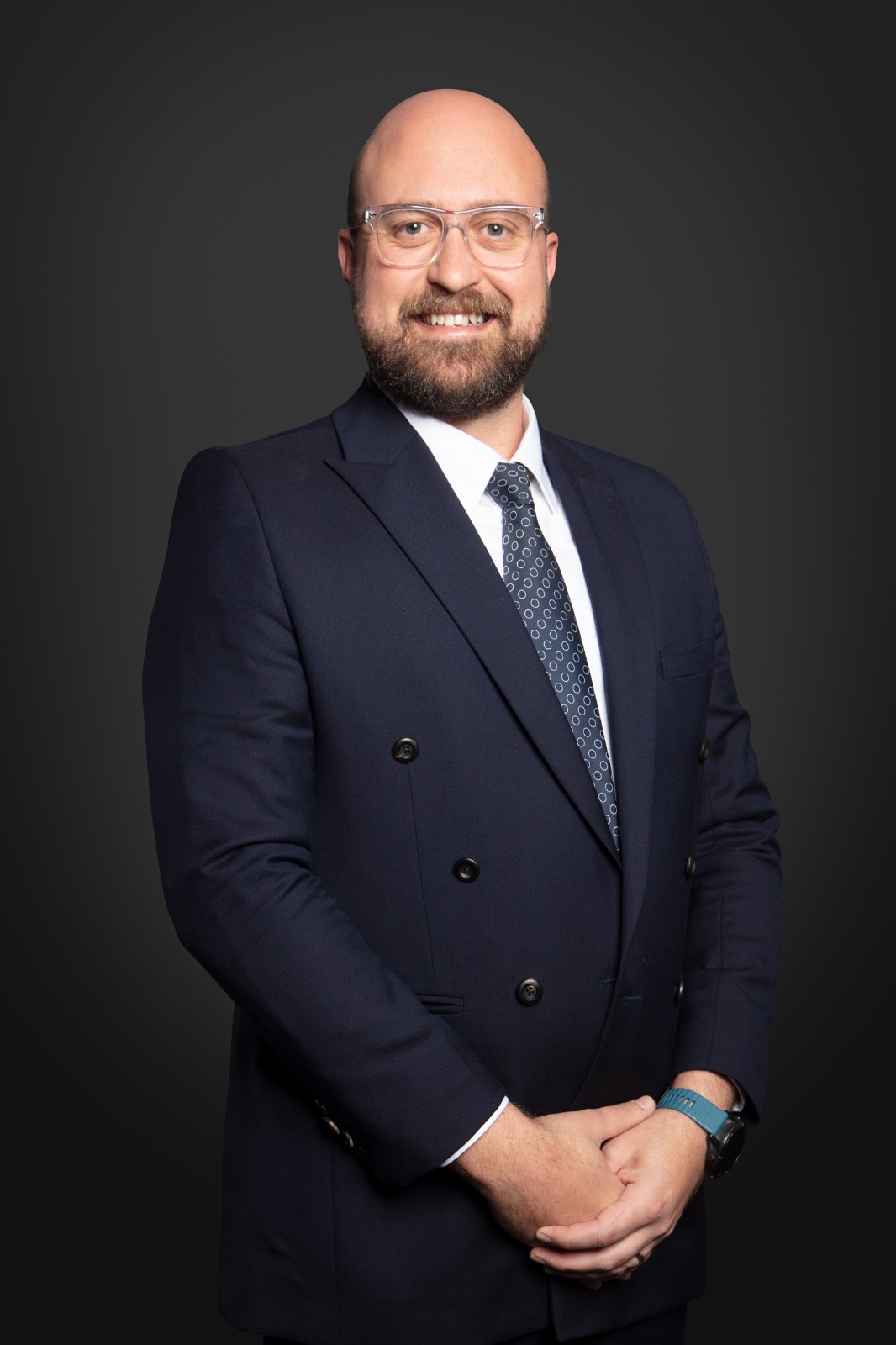
Having gone through the same experience of starting SAAC, I feel your pain. I can remember those days and nights when business demanded too much — up early trying to crack problems, often pondering if success would come tomorrow. It's understandable, but now you know you are not alone. This is where SAAC comes in: so that one does not ever arrive at such a point, overpowered or left in darkness when business challenges hit.
Big businesses or small, no matter the industry, we stand as a reliable ally. We do more than business rescue, restructuring, or distressed turnarounds — we provide something invaluable: hope and support when things are tough.
Every business is different, but some questions come up again and again. Here are quick answers to help guide your next step.
Every day you delay, your options narrow and risks grow. Business rescue is only available to companies that are financially distressed — not yet insolvent. The window to act is now.
Our practitioners are available for immediate consultation. Call, email, or visit one of our offices.
West Tower, 2nd Floor
Nelson Mandela Square
Maude Street, Sandton 2146
Ground Floor, The Vineyard Office Park
Building 2B, Devon Valley Road
Stellenbosch 7600